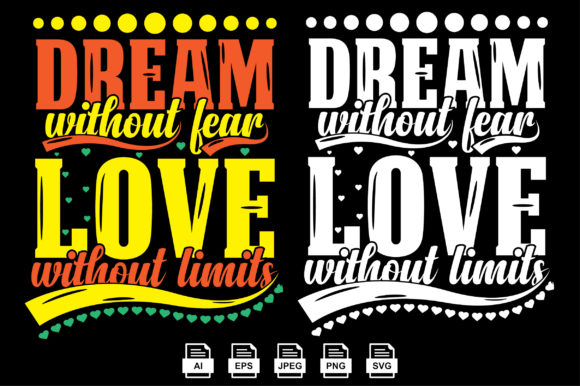
Dream and Love Tshirt Design Review
As an embroidery designer and product reviewer, I’ve evaluated countless machine embroidery designs. Dream and Love Tshirt Design stands out for its simplicity and emotional appeal. It’s a quote-based design that feels instantly recognizable and versatile enough to work across multiple mediums. But like any design, it has strengths and limitations that need careful consideration before use.
The First Impression: A Mood-Driven Design
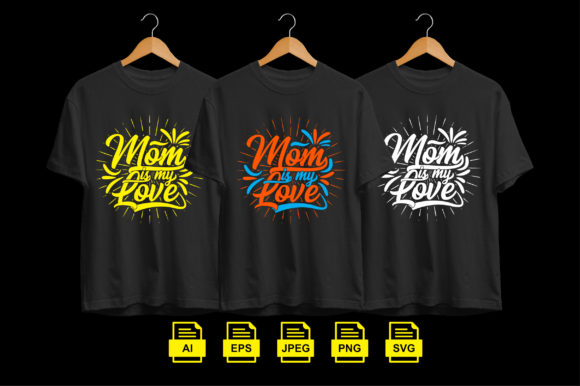
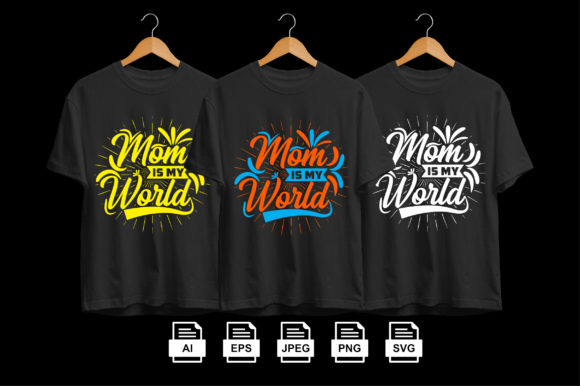
Dream and Love Tshirt Design immediately conveys a sense of warmth and sentimentality. The layout is clean, with the text centered and spaced in a way that feels balanced and easy on the eyes. The shape is straightforward—ideal for standard hoop sizes and common garment types. It doesn’t have intricate details or complex shapes that might complicate stitching, which makes it a solid choice for beginners and experienced designers alike.
The visual personality of the design leans toward classic, timeless aesthetics. It’s not overly modern or trendy, which means it can fit into a variety of styles without feeling out of place. This makes it a good candidate for personalized gifts, handmade products, and commercial embroidery projects where consistency matters.
Real-Life Embroidery Use Cases
Imagine you’re preparing a custom embroidered tote bag for a client who wants something meaningful but understated. Dream and Love Tshirt Design could work well here. The text is large enough to be readable at a distance, and the spacing between letters prevents it from looking cramped. It would translate well onto a cotton tote, especially if you use a stabilizer to prevent puckering.
For sweatshirt embroidery, this design would look great on a light-colored fabric. The contrast between the thread and the background would make the words pop. However, if you’re working with a dark fabric, you’ll need to choose a thread color that stands out—like white or a bright pastel. The design isn’t ideal for thin or stretchy fabrics, as the stitches might pull or distort the material.
If you’re creating a baby item, such as a onesie or a blanket, the design’s simplicity is a plus. It’s not too busy, which keeps it gentle and unobtrusive. But keep in mind that small hoop sizes might struggle with the overall size of the design. You may need to split it into sections or adjust the layout for better fit.
Where to Be Careful: Limitations and Challenges
Dream and Love Tshirt Design isn’t perfect for every project. If you’re working with textured fabrics—like a thick sweater or a woven denim jacket—the design might not sit flat. The stitches could catch on the fabric’s texture, leading to uneven results. Similarly, if you’re using a very thin or stretchy fabric, the design might pucker or lose definition.
For items that require frequent washing, such as aprons or kitchen towels, the durability of the embroidery is important. This design is fine for occasional use, but if the project will see heavy laundering, you’ll want to ensure the stitches are secure and the stabilizer is appropriate for the fabric type.
Small details, like the corners of the letters, might not hold up well on curved surfaces like caps or hats. If you’re planning to use this design for a cap, consider adjusting the layout or testing it first. The same goes for tiny lettering or dense stitch areas—this design isn’t built for those kinds of challenges.
Impact on Visual Appeal and Customer Perception
When it comes to visual appeal, Dream and Love Tshirt Design is effective but not groundbreaking. It’s a strong choice for basic embroidery projects, but it won’t stand out in a crowded marketplace unless paired with high-quality materials and thoughtful presentation. For handmade products, the design’s simplicity can be a strength—it allows the quality of the embroidery and the craftsmanship to shine through.
Customer trust is another factor. If you’re selling this design as a digital product or using it in your own craft business, the design’s clarity and professionalism matter. A well-executed embroidery project with this design can enhance brand consistency and buyer engagement. However, if the stitching looks messy or the design is poorly adapted to the fabric, it could turn off potential customers.
Giftability is another aspect to consider. Dream and Love Tshirt Design is a good choice for personal gifts, especially for occasions like birthdays, anniversaries, or weddings. Its sentimental nature makes it appealing for heartfelt presents. But for more formal or high-end gifts, you might want a more intricate or unique design.
Practical Designer Notes
Before using Dream and Love Tshirt Design in your projects, always test it on scrap fabric. This helps you see how the stitches interact with the material and whether the design needs adjustments. Check the thread color contrast against different fabric backgrounds—especially if you’re working with dark or patterned materials.
Review the stitch density to ensure it’s suitable for your project. Too dense, and the design might feel stiff; too light, and it might not hold up over time. Confirm the hoop size required for the design, and make sure your embroidery machine can accommodate it. If the design is too large for your hoop, you may need to split it or resize it accordingly.
Inspect the small details, especially if you’re using this design for a commercial project. Test it in black and white mockups to see how it looks without color. Compare it on both light and dark fabric backgrounds to ensure it works in all scenarios. Use the proper stabilizer for the fabric type, and check whether the design is suitable for both personal and commercial use.
Finally, confirm the licensing terms before selling finished items or digital products. Even though this design is labeled as a Print Template, you should verify whether it’s free to use commercially or if there are restrictions in place.
Conclusion: A Solid Choice for Simple Projects
Dream and Love Tshirt Design is a reliable option for basic embroidery projects. It’s easy to work with, visually appealing, and adaptable to a range of applications. While it has some limitations, particularly when it comes to complex or high-stress uses, it’s a strong choice for handmade products, personalized gifts, and small business merchandise.
As an embroidery designer, I’d recommend this design for straightforward projects where clarity and simplicity are key. Just remember to test it thoroughly, consider the fabric type, and ensure it fits your specific needs before committing to a full production run.